Rome Transport Guide
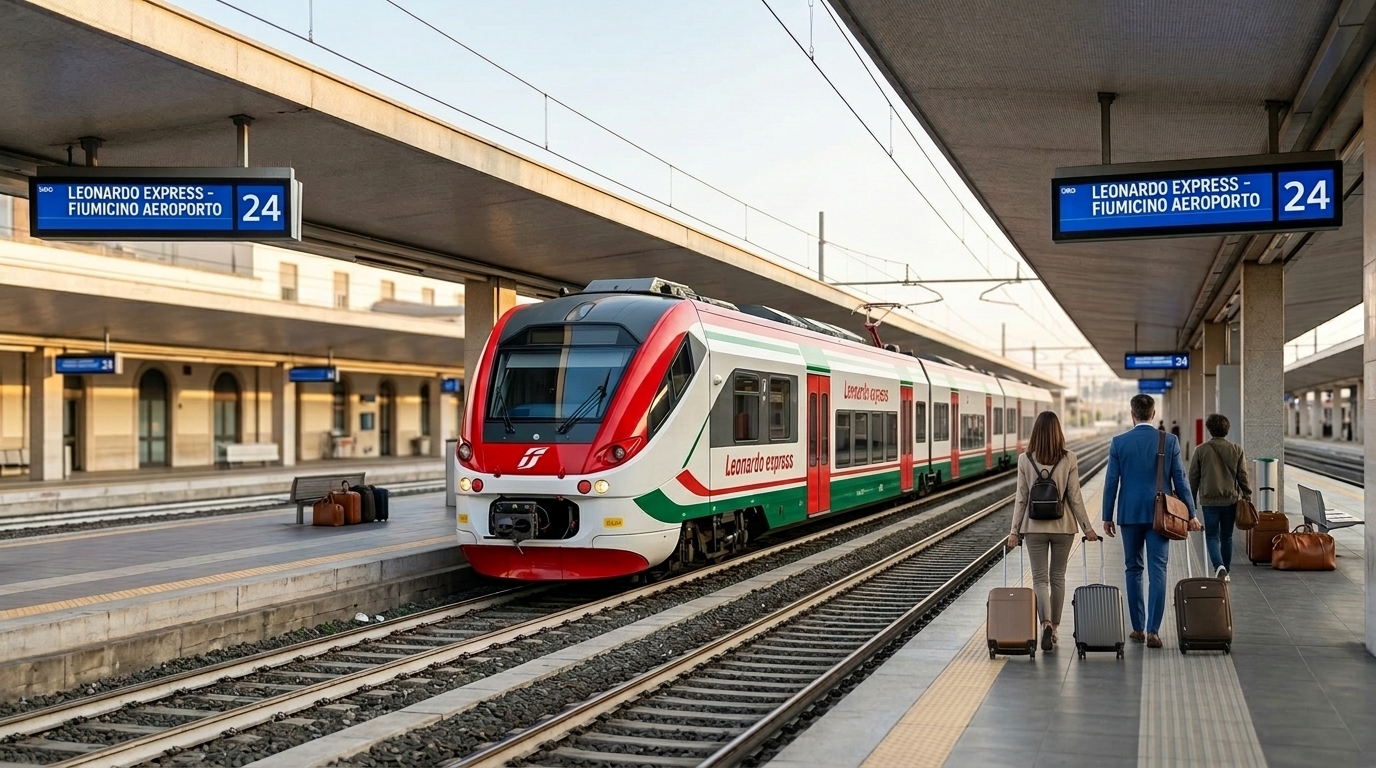
Key Takeaway: This Rome transport guide summary highlights that the Leonardo Express connects Fiumicino Airport to Termini Station in exactly 32 minutes for €14. Skip the frustrating ticket machines and massive station queues. You should book your Rome train tickets in advance to lock in cheap high-speed fares for your onward journey. Local ATAC buses cost €1.50 per ride, but the Metro is far more reliable for dodging the infamous Roman traffic.
Termini Station smells of strong espresso and hot brakes. It hits you the moment you step onto the platform. The sheer volume of people moving through Italy's largest transit hub can feel entirely overwhelming at first glance. Mastering this Rome transport guide is your key to unlocking the city. Following a reliable Rome transportation guide helps you avoid common tourist traps and navigate the Eternal City’s complex layout. Without a solid plan, the chaos of aggressive taxi lines and delayed buses will eat your precious vacation time. But with the right tickets in hand, you can glide effortlessly past the gridlock. The local transit network is far from perfect. Yet, it gets the job done if you understand its quirky rules.
Rome Transport Guide: Transit at a Glance
You need facts quickly. Here is exactly what you are dealing with when moving around the Eternal City.
- Airport trains: The Leonardo Express takes 32 minutes to Termini (€14), while the FL1 regional train takes 45 minutes to Trastevere or Ostiense (€8).
- The Metro: Rome only has three underground lines (A, B, and C). They bypass traffic entirely but avoid the deep historic center to protect ancient ruins.
- Buses and Trams: Surface transport is incredibly cheap at just €1.50 per ride. They run everywhere, but they frequently get bogged down in heavy street traffic.
- High-speed rail: Roma Termini and Roma Tiburtina are your two main gateways. These stations connect you to Florence, Naples, and beyond at 300 km/h.
How to Get from Fiumicino Airport to Rome City Center

Fiumicino (FCO) is where the vast majority of international flights land. Consulting a Rome airport transport guide ensures you don't overpay for private transfers or get stuck in traffic. You have two primary rail options to reach the city. The choice depends entirely on where your hotel is located.
The Leonardo Express: Fast and Direct
This is the gold standard for airport transfers. The Leonardo Express runs every 15 to 30 minutes. The Leonardo Express is the only direct train from Fiumicino Airport to Rome Termini, guaranteeing a 32-minute trip regardless of highway traffic. It costs €14 in 2026. The seats are spacious enough for your luggage, and the air conditioning usually works flawlessly. You never have to worry about missing your stop because Termini is the end of the line. To avoid the massive crowds at the airport kiosks, simply book Fiumicino transfers online before you even board your flight to Italy.
The FL1 Regional Train: The Local Secret
Budget travelers love the FL1 commuter line. It costs only €8. It does not go to Termini Station, which confuses many first-time visitors. Instead, it arcs through the southern and eastern neighborhoods. It makes highly useful stops at Roma Trastevere, Roma Ostiense, and Roma Tiburtina. If your Airbnb is in the lively Trastevere district, the FL1 is actually faster than the Leonardo Express. According to the Aeroporti di Roma official schedules, the FL1 departs every 15 minutes on weekdays. Check FL1 schedules and book tickets here.
| Train Service | Destination | Duration | Price | Action |
|---|---|---|---|---|
| Leonardo Express | Roma Termini | 32 mins | €14.00 | Book at italyrails.com |
| FL1 Regional Train | Trastevere / Ostiense | 27-32 mins | €8.00 | Book at italyrails.com |
| Terravision Bus | Roma Termini | 55 mins | €6.00 | Buy at terminal |
Navigating Rome Termini and Tiburtina Stations
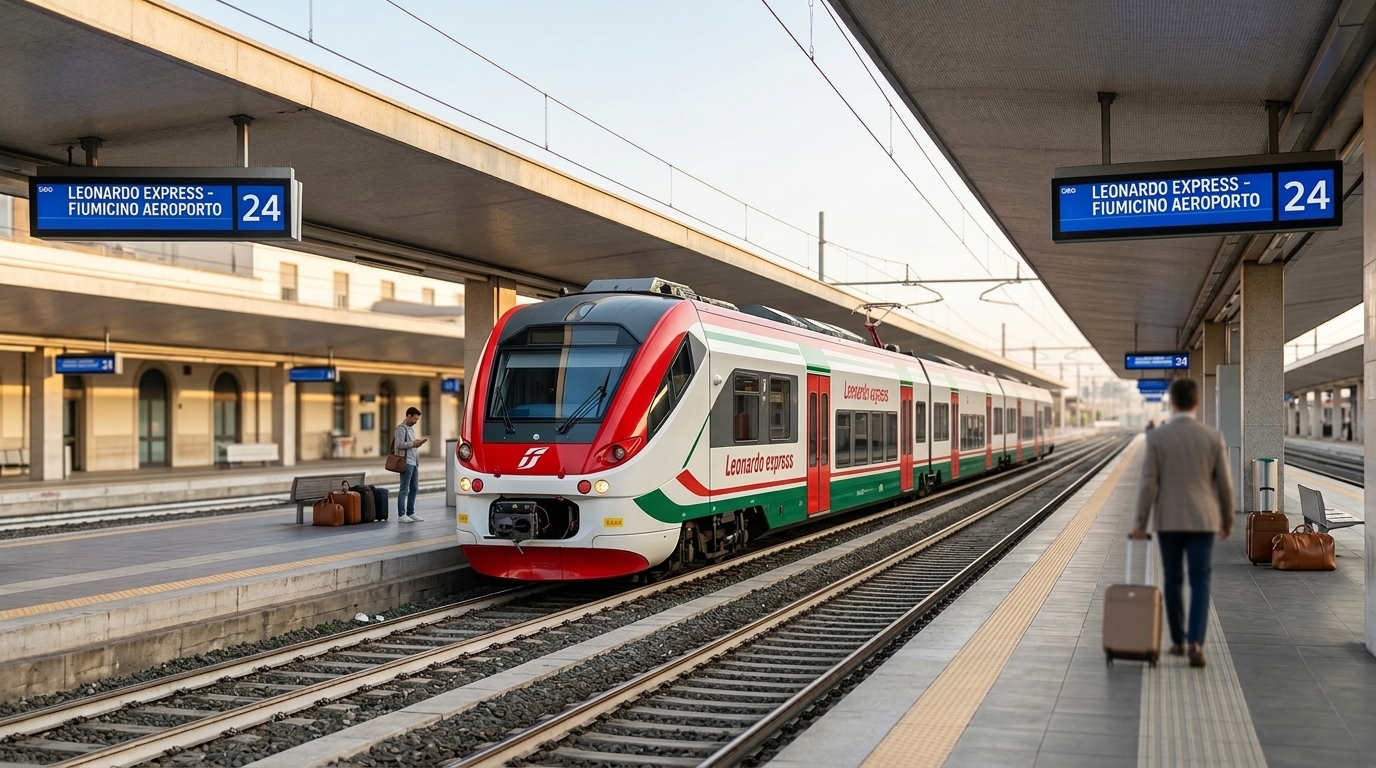
Rome operates on a dual-hub system for major rail traffic. Knowing which station you need is critical for catching your high-speed train on time. Navigating these hubs is a core part of any Rome transport guide for tourists looking to travel beyond the city limits.
Roma Termini: The Giant Hub
Termini is arguably the beating heart of Italian rail travel. It handles roughly 480,000 passengers every single day. The station offers massive food courts, high-end shopping, and direct access to both Metro lines A and B. While Termini puts you right in the historic center, Tiburtina is often faster for high-speed connections heading north to Florence or Venice. The departure boards at Termini change rapidly. Always look for your train number rather than the final destination, as your stop might just be a midpoint on a longer route.
Roma Tiburtina: The Modern Alternative
Tiburtina sits further east. It is a sleek, glass-heavy structure that feels much calmer than Termini. Many high-speed trains bypass Termini entirely to save time, stopping only at Tiburtina instead. If you are catching the Rome to Milan Train, double-check your departure station. Missing a train because you went to the wrong hub is a painful, expensive mistake. It takes about 15 minutes to travel between the two stations via Metro Line B.
Rome Local Transit: Metro, Buses, and Trams

As any comprehensive Rome transport guide will tell you, moving around within the city limits requires patience. Understanding the Rome public transport guide essentials for ATAC services is vital for budget-conscious travelers. The official transit agency is ATAC, and they operate a unified ticketing system across all local transport modes.
The Roman Metro (Metropolitana)
The Metro is fast but highly limited in its reach. Line A (Orange) takes you to the Vatican, the Spanish Steps, and Trevi Fountain. Line B (Blue) drops you right outside the Colosseum. A single BIT transit ticket costs €1.50 in 2026 and allows 100 minutes of unlimited bus transfers plus one Metro ride. You can now tap your contactless credit card directly at the turnstiles. This modern upgrade saves you from hunting down a tobacco shop to buy paper tickets. The ATAC Roma network map is essential for planning your daily routes.
Buses and Trams
Buses go everywhere the Metro cannot. They rattle down cobblestone streets and squeeze past illegally parked scooters. However, they are entirely at the mercy of Rome's notorious traffic jams. The electric trams are more romantic but painfully slow. If you are traveling short distances in the historic center, walking is almost always faster. Save the buses for tired legs at the end of a long day exploring the Forum.
Taxis and Ride-Sharing (Uber)
A complete Rome transport guide must address taxis. Official city taxis are white with a "TAXI" sign on the roof. Do not hail them on the street; you must go to a designated taxi rank (found near major piazzas and stations) or order one via the FreeNow app. Uber does operate in Rome, but due to local regulations, only the premium Uber Black service is available, making it significantly more expensive than a standard taxi.
| Ticket Type | Validity | Price | Best For |
|---|---|---|---|
| BIT (Single Ride) | 100 minutes | €1.50 | Occasional trips |
| Roma 24H | 24 hours | €7.00 | Heavy transit days |
| Roma 48H | 48 hours | €12.50 | Weekend visitors |
| CIS (Weekly) | 7 days | €24.00 | Longer stays |
High-Speed Trains: Leaving Rome for the Rest of Italy
Eventually, you will want to leave the capital. No Rome transport guide would be complete without covering the high-speed rail network, which is a spectacular engineering achievement. This Rome transport guide recommends booking these fast trains in advance to secure the lowest prices.
Frecciarossa vs. Italo
Two rival companies operate high-speed trains out of Rome. Trenitalia runs the iconic red Frecciarossa trains. Italo operates a fleet of sleek, dark red private trains. Both are exceptional. They offer free Wi-Fi, leather seats, and speeds up to 300 km/h. You can reach Naples in just 70 minutes. Read our comprehensive Train Travel in Italy: 2026 Guide to understand the differences in class levels. Fares operate like airline pricing. They start cheap and rise dramatically as the departure date approaches. To lock in the best early-bird rates, check the latest prices on italyrails.com.
6 Insider Tips for Rome Public Transport
- Validate paper tickets immediately. If you buy a paper BIT ticket, you must stamp it in the yellow machines on the bus. Plainclothes inspectors hand out €50 fines to tourists who "forget" to validate.
- Tap-and-go is your best friend. Use your smartphone or contactless credit card on buses and the Metro. The system automatically caps your daily spending at €7, matching the 24-hour pass price.
- Beware the Friday Sciopero. Transit strikes (sciopero) happen frequently, often on Fridays. In 2026, always check local news, as strikes can shut down the Metro from 8:30 AM to 5:00 PM.
- Book high-speed routes months ahead. Walk-up fares for a Rome to Florence train can exceed €50. Booking early through italyrails.com can drop that price to €19. This is a vital tip for any Rome city transport guide user.
- Use the FL3 for the Vatican. Everyone crams onto Metro Line A for the Vatican. Instead, take the FL3 commuter train from Ostiense to Roma San Pietro station for a quieter, scenic approach. These insider tips serve as a practical guide to Rome transport nuances that many visitors miss.
- Guard your pockets on Bus 64. The 64 bus runs from Termini to the Vatican. Locals affectionately call it the "Wallet Express" because pickpockets target distracted tourists in the crowded aisles.
Frequently Asked Questions
How do I get from Fiumicino Airport to Rome city center?
The Leonardo Express is the fastest option, taking exactly 32 minutes to reach Termini Station for a fare of €14. This direct train avoids city traffic and runs every 15 to 30 minutes, making it the most reliable airport transfer in our Rome transport guide.
How much does public transport cost in Rome?
A standard BIT ticket for Rome's local ATAC buses, trams, and metro costs €1.50 and remains valid for 100 minutes from the first validation. These tickets are essential for navigating the city surface transit and underground lines.
What is the best way to avoid traffic in Rome?
Taking the Rome Metro (Lines A, B, or C) is the most reliable way to avoid traffic as the trains run underground and bypass the city's heavily congested surface streets. While the metro network avoids the very center to protect ruins, it is far faster than buses.
Does the Leonardo Express go to Trastevere?
No, the Leonardo Express only goes directly to Termini Station; you must take the FL1 regional train for €8 to reach Trastevere or Ostiense from Fiumicino Airport. The FL1 is a cost-effective alternative for travelers staying outside the immediate city center.
Where are the main train stations in Rome?
Roma Termini is the primary central hub for all transit, while Roma Tiburtina serves as the secondary gateway for many high-speed and regional rail services. Both stations offer high-speed connections to major Italian cities like Florence, Naples, and Milan, as explained in this Rome transport guide. You can book departures from both stations online.